The Ultimate Guide to HVAC Emergency Preparedness for Homeowners and Small Businesses
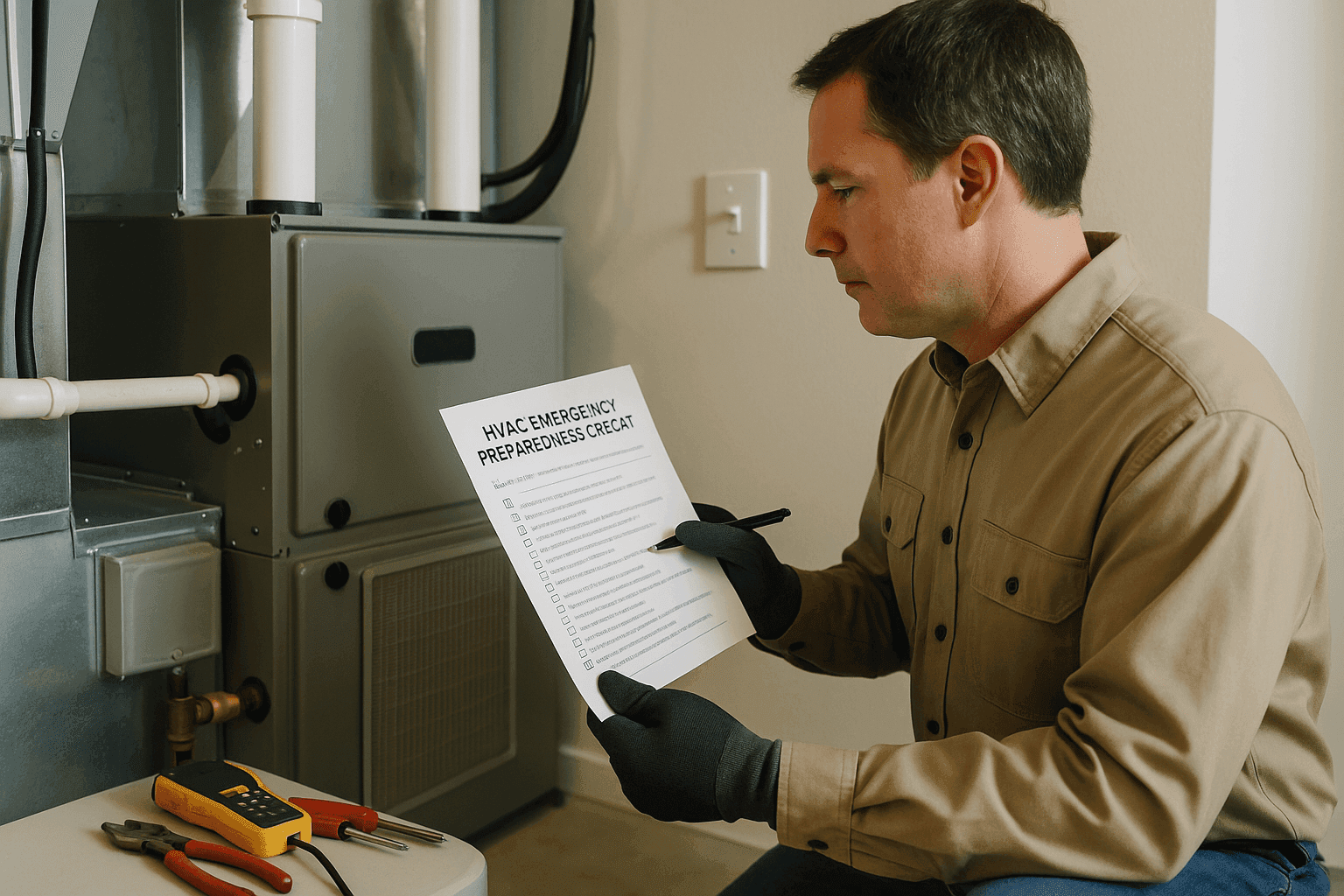
When your air stops flowing or your heater sputters out, it feels like the world’s on pause. Whether you’re a homeowner or running a small business, a sudden HVAC failure can mean more than just discomfort—it can spell lost productivity, safety risks, and even property damage.
At Coyote Heating, we know what it’s like to wake up to a freezing house or a sweltering office. That’s why we’ve created this guide to help you plan ahead, act fast, and keep your space safe when the unexpected strikes.
Understanding Common HVAC Emergencies ⚡
Imagine your AC quitting on the hottest day of summer. Or your furnace shutting down in the dead of winter. HVAC emergencies rarely wait for a convenient moment. Here are some of the most common situations that call for urgent action:
- Total system failure: No heat or cool air, often due to electrical issues, blown fuses, or dead thermostats.
- Strange noises or burning smells: Screeching, banging, or a burnt odor can signal mechanical failure or electrical hazards.
- Water leaks or flooding: Blocked drains, frozen coils, or burst pipes can cause water to pool around your unit.
- Unresponsive thermostat: If your controls won’t respond, your system may be stuck on or off.
- Poor air quality: Sudden increases in dust, musty odors, or humidity can mean filter clogs, duct leaks, or failing components.
Warning signs: Listen for odd sounds, watch for temperature swings, and pay attention to rising energy bills. These are the canaries in your HVAC coal mine.
Creating Your HVAC Emergency Plan 📝
A little planning goes a long way when the unexpected happens. Think of your HVAC emergency plan as your home or business’s fire drill for comfort.
Key steps:
- List emergency contacts: Keep Coyote Heating’s number handy, along with your utility provider and building manager (if applicable).
- Know your system: Identify where your main power shutoff and breaker panel are. Know how to turn off your HVAC in a pinch.
- Backup power: Consider a generator for critical systems, especially if you rely on medical equipment or refrigeration.
- Safety first: Make sure smoke and carbon monoxide detectors are working. Keep a flashlight and batteries nearby.
- Document your system: Snap photos of model numbers and maintenance records. This helps technicians help you faster.
Preparation is like packing an umbrella before a storm—you hope you won’t need it, but you’re glad it’s there.
Preventive Maintenance Tips to Avoid Emergencies
Most HVAC disasters are like potholes—they start small, but get bigger if ignored. Regular maintenance is your best defense.
Seasonal checklist:
- Change filters: Every 1–3 months, depending on use and manufacturer recommendations.
- Inspect vents and ducts: Clear away dust, pet hair, or obstructions.
- Test your thermostat: Make sure it responds and reads accurately.
- Check for leaks: Look around your indoor and outdoor units for water or refrigerant.
- Schedule professional tune-ups: At least once a year for your heating and cooling systems.
Refer to guidelines from organizations like the Air Conditioning Contractors of America (ACCA) and the U.S. Department of Energy for more details on maintenance best practices.
What to Do During an HVAC Emergency
When your system fails, it’s easy to panic. Take a breath. Here’s what you can do while you wait for help:
- Shut off your system: If you smell burning or see smoke, turn off your HVAC at the thermostat and breaker.
- Check your breaker panel: A tripped breaker can sometimes be reset, but don’t force it if it keeps tripping.
- Look for obvious issues: Remove debris from outdoor units, replace a dirty filter, or check for blocked vents.
- Protect your space: Use portable fans or heaters as needed, but never leave them unattended.
- Document the problem: Note what happened and when. Take photos if you see leaks or damage.
Remember: Never try to repair wiring, gas connections, or refrigerant lines yourself. Safety is always the top priority.
Choosing a Reliable 24/7 Emergency HVAC Service 🛠️
When you’re in a pinch, you need someone you can count on—day or night. Here’s what to look for in an emergency HVAC provider:
- True 24/7 availability: Emergencies don’t keep business hours.
- Licensed and insured: Protects you and your property.
- Clear communication: You should know who’s coming and when.
- Transparent pricing: No hidden fees or surprise charges.
- Knowledgeable technicians: Look for teams trained in the latest safety codes and technologies.
Coyote Heating is committed to fast response and honest service, so you’re never left in the cold (or heat).
Quick Safety Checklist
- Keep emergency numbers visible.
- Test smoke and CO detectors monthly.
- Store flashlights and batteries in easy-to-reach spots.
- Know where your main power shutoff is.
- Never use ovens or grills to heat your space.
- Keep pets and children away from HVAC units.
DIY vs. Call a Pro
Some fixes are as simple as changing a filter or flipping a breaker. But when in doubt, it’s safer to call a professional.
DIY:
- Replace filters
- Reset tripped breakers
- Clear visible debris from vents
Call a pro:
- Electrical or gas smells
- Water leaks or flooding
- Repeated system shutdowns
- Unusual noises or burning odors
If you’re unsure, err on the side of caution. HVAC systems are complex and can be dangerous if handled improperly.
What Pros Do On Arrival
When a Coyote Heating technician arrives, here’s what you can expect:
- System assessment: We listen to your description, check the thermostat, and inspect the system.
- Safety checks: We look for electrical, gas, or water hazards.
- Diagnosis: Using diagnostic tools, we pinpoint the issue.
- Clear communication: We explain what’s wrong and what needs to be done.
- Fast action: We make repairs or secure the area to keep you safe.
Our team follows industry safety codes and guidelines from groups like the National Fire Protection Association (NFPA).
Prevention & Maintenance
An ounce of prevention is worth a pound of cure. Regular maintenance means fewer surprises and longer equipment life.
- Schedule annual tune-ups: Catch small problems before they become emergencies.
- Keep your system clean: Dust, dirt, and debris are your HVAC’s worst enemies.
- Monitor indoor air quality: Poor air can signal bigger problems.
- Upgrade when needed: Sometimes, investing in a new system is safer and more efficient than constant repairs.
Costs & Time Factors
Emergency HVAC calls can feel stressful—especially when you’re worried about costs and downtime.
- Costs vary: Emergency visits may cost more, especially after hours or on holidays.
- Time to repair: Simple fixes can take under an hour; complex issues may require parts and extra time.
- Prevention saves money: Regular maintenance is usually far less expensive than emergency repairs.
When It’s an Emergency
Not every HVAC hiccup is an emergency, but some situations call for immediate help:
- No heat in freezing weather
- No cooling during extreme heat
- Electrical burning smells
- Water leaking near electrical components
- Gas odors or carbon monoxide alarms
If you’re ever unsure, it’s better to call for help than to risk safety.
FAQ
How often should I have my HVAC system inspected?
At least once a year, ideally before the start of each heating or cooling season.
What should I do if I smell gas?
Leave your home or business immediately and call emergency services. Do not turn on lights or use electronics.
Can I use space heaters or fans while waiting for repairs?
Yes, but never leave them unattended and keep them away from flammable materials.
How do I know if my air quality is at risk?
Sudden increases in dust, humidity, or musty smells can signal problems. Consider professional IAQ testing if you’re concerned.
Special Considerations for This Service
- Commercial spaces: Protect sensitive equipment, inventory, and customer comfort.
- Homes with children or elderly: Extreme temperatures can be dangerous—act quickly.
- Medical needs: If anyone relies on powered medical equipment, have a backup plan for outages.
When it comes to emergency hvac, preparation is your best friend. Keep your plan simple, your contacts handy, and your system maintained.
Call Coyote Heating now — or reach us anytime at 1-888-688-6506 .