How to Prepare Your HVAC System for Severe Weather Emergencies
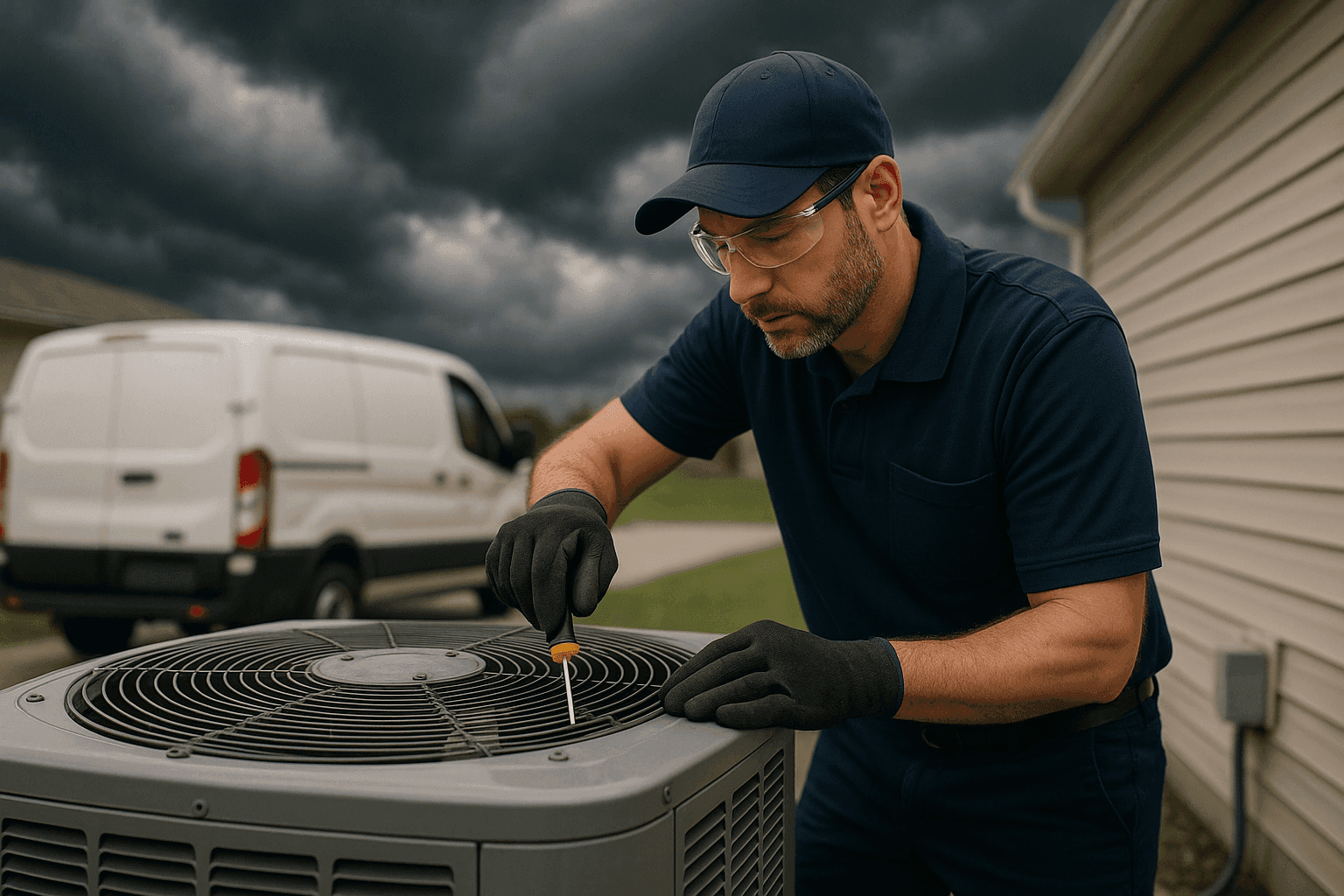
When the sky darkens and the wind picks up, your HVAC system is more than just a machine—it’s your shield against the elements. No one wants to scramble for emergency hvac help in the middle of a storm, freeze, or heatwave.
At Coyote Heating, we know how quickly severe weather can turn a minor HVAC issue into a major headache. Here’s how you can get ahead of the next big weather event and keep your home or business comfortable, safe, and running smoothly.
Why Severe Weather Is a Real Threat to Your HVAC System 🌪️
Severe weather doesn’t just test your nerves—it tests every part of your heating, cooling, and ventilation system. Power surges, flying debris, freezing temperatures, and extreme heat can all push your equipment to the breaking point.
If your HVAC system isn’t ready, you could face:
- Total system shutdowns
- Costly emergency hvac repairs
- Poor indoor air quality
- Uncomfortable or even unsafe indoor conditions
- Damage to electrical components
A little preparation now can save you from big problems later. Think of it like buckling your seatbelt before hitting the highway.
Pre-Storm HVAC Inspection: What to Check Before Trouble Hits
Before severe weather arrives, walk through this inspection checklist. It’s the difference between being caught off guard and staying a step ahead.
- Replace or Clean Filters: Dirty filters restrict airflow, making your system work harder—especially during extreme temperatures.
- Test Your Thermostat: Make sure it’s calibrated and responsive. A faulty thermostat is like a broken compass in a storm.
- Check Ducts and Vents: Look for loose connections, blockages, or leaks. Sealed ducts keep conditioned air where it belongs.
- Inspect Outdoor Units: Clear leaves, sticks, and debris away from your AC or heat pump. Secure any loose panels.
- Backup Power: If you have a generator, test it. Ensure it’s ready to supply power if the grid goes down.
- Check Drain Lines: Clogged condensate lines can cause water damage when systems work overtime.
- Listen for Odd Noises: Banging, rattling, or buzzing can signal trouble inside your system.
Industry guidelines from organizations like ASHRAE and the National Fire Protection Association (NFPA) recommend regular pre-storm checks, especially for critical systems.
Essential Maintenance Tasks for Severe Weather
Preventive maintenance is your best defense. Here’s what you should do before the next storm, freeze, or heatwave:
Change Filters—Don’t Wait for a Clog
A clean filter is like a fresh pair of lungs for your HVAC. During heavy use, swap filters monthly. This keeps air flowing and reduces the risk of a breakdown.
Calibrate Thermostats for Accuracy
A few degrees off can mean big discomfort. Check settings, replace batteries, and consider upgrading to a programmable or smart thermostat for better control.
Seal Ducts and Insulate Exposed Lines
Leaky ducts are like holes in your umbrella during a downpour. Use mastic sealant or metal tape on visible gaps. Insulate lines to prevent freezing and energy loss.
Secure and Protect Outdoor Equipment
Tie down or cover your outdoor AC unit if high winds or hail are forecast. Never block airflow—use manufacturer-approved covers only.
Test Your Generator and Electrical Systems
Run your backup generator under load. Check fuel levels, cords, and automatic transfer switches. The National Electrical Code (NEC) offers guidelines for safe generator installation and use.
Clean Condenser and Evaporator Coils
Dust, dirt, and pollen can choke your system. Gently hose off outdoor coils and vacuum indoor coils (with power off). This keeps efficiency high and prevents overheating.
Check Humidifiers and Dehumidifiers
Extreme humidity swings can stress your system and your indoor air quality. Make sure these devices are clean and set correctly.
Inspect Air Scrubbers and IAQ Systems
If you use air scrubbers or purifiers, replace filters and check operation. Good indoor air quality is crucial when you’re stuck inside during a storm.
Emergency Preparedness Tips: Stay Ready, Not Scared
Preparation is more than just a checklist—it’s a mindset. Here’s how to keep your cool (or stay warm) when the unexpected happens:
- Know Your Shut-Offs: Locate your system’s power and gas shut-offs. In an emergency, turning off the system can prevent further damage.
- Keep Spare Filters and Batteries: Stock up so you’re not left searching during a storm.
- Have a Flashlight and Tools Handy: Quick access can make a big difference in an outage.
- Create a Safe Space: Keep the area around your HVAC equipment clear for emergency access.
- Monitor Weather Alerts: Stay informed about incoming storms or temperature extremes.
- Have Coyote Heating’s Number Ready: 24/7 emergency hvac help is just a call away.
When to Call a Professional: Red Flags Before Severe Weather
Some issues are best left to the pros. Call for emergency hvac help if you notice:
- Strange Smells: Burning, musty, or chemical odors can mean electrical or mold issues.
- Constant Cycling: If your system turns on and off rapidly, it could signal a failing component.
- No Heat or AC: Total loss of heating or cooling before a storm is a true emergency.
- Water Leaks: Pooled water can damage floors and electrical parts.
- Unusual Noises: Grinding, squealing, or loud bangs are cries for help.
Certified technicians follow industry safety standards and use specialized tools to diagnose and fix problems quickly. According to the Air Conditioning Contractors of America (ACCA), regular professional inspections can catch small issues before they become big emergencies.
What Coyote Heating Pros Do on Arrival
When you call Coyote Heating for emergency hvac service, here’s what our certified technicians will do:
- Thorough System Inspection: We check every component—filters, coils, electrical connections, and safety controls.
- Diagnostic Testing: Using advanced meters and gauges, we pinpoint the issue fast.
- Safe Repairs: We follow OSHA safety guidelines and manufacturer specs.
- System Restart and Monitoring: We make sure your system is running safely before we leave.
- Advice for Next Steps: We’ll recommend preventive measures to avoid future emergencies.
Our team is trained to handle everything from blown fuses to frozen coils, and we’re available around the clock.
Preventive Maintenance: The Key to Year-Round Comfort
Think of preventive maintenance as an insurance policy for your comfort. Scheduled tune-ups can:
- Extend your system’s lifespan
- Improve efficiency (lowering energy bills)
- Catch small problems before they become big repairs
- Boost indoor air quality, especially during extreme weather
- Reduce emergency hvac calls
The Environmental Protection Agency (EPA) recommends annual HVAC inspections and maintenance for homes and businesses.
Costs and Time Factors: What to Expect
Emergency hvac repairs can be more expensive than regular maintenance—especially during severe weather. Here’s what affects cost and timing:
- Severity of the Problem: Minor fixes (like replacing a capacitor) are faster and less costly than major repairs (like compressor replacement).
- Parts Availability: Severe weather can delay parts delivery.
- Time of Day: After-hours and holiday calls may carry additional charges.
- System Age: Older systems may take longer to diagnose and repair.
Routine maintenance is almost always less expensive than emergency fixes. It also helps avoid the stress of waiting for repairs when you need comfort most.
When It’s an Emergency: Don’t Wait
Certain situations call for immediate action. Call for emergency hvac service if:
- Temperatures inside become unsafe (too hot or cold)
- You smell gas or burning odors
- Your system is leaking water or refrigerant
- The breaker keeps tripping when the system runs
- There’s visible smoke or sparks
Don’t risk your safety or comfort. Quick action can prevent further damage.
FAQ: Common Questions About Severe Weather and HVAC
How often should I check my HVAC before storm season?
At least twice a year—before summer and winter. More often if you live in an area with frequent storms or temperature swings.
Can I cover my outdoor AC during a storm?
Yes, but only with a manufacturer-approved cover. Never use plastic tarps or block airflow for long periods.
Should I turn off my HVAC during a power outage?
Yes. Shut off your system at the breaker to protect it from power surges when electricity returns.
What’s the best way to improve indoor air quality during severe weather?
Keep filters fresh, seal ducts, use air scrubbers, and avoid opening windows during poor outdoor air conditions.
Special Considerations for Homeowners and Small Businesses
Every building is unique. If you run a small business, consider:
- Backup Power Needs: Critical for refrigeration, IT equipment, and comfort.
- Regular Duct Cleaning: Essential for high-traffic spaces or locations with lots of dust.
- IAQ Testing: Indoor air quality is vital for employee and customer safety.
- Sheet Metal and Air Balancing: Proper airflow ensures all rooms stay comfortable, even when systems are pushed to their limits.
- Emergency Plans: Make sure everyone knows how to shut off systems and where to find emergency contacts.
For homeowners, don’t forget about:
- Whole-House Fans: Great for ventilation, but close during storms.
- Radiant Heating and Mini-Splits: Check for leaks or blockages.
- Humidity Control: Use dehumidifiers or humidifiers to maintain ideal indoor conditions.
Preparing your HVAC system for severe weather isn’t just about comfort—it’s about safety and peace of mind. Whether you need a quick checkup or urgent emergency hvac repairs, Coyote Heating is ready to help 24/7.
Call Coyote Heating now — or reach us anytime at 1-888-688-6506 .