How to Optimize Your HVAC System for Year-Round Energy Savings
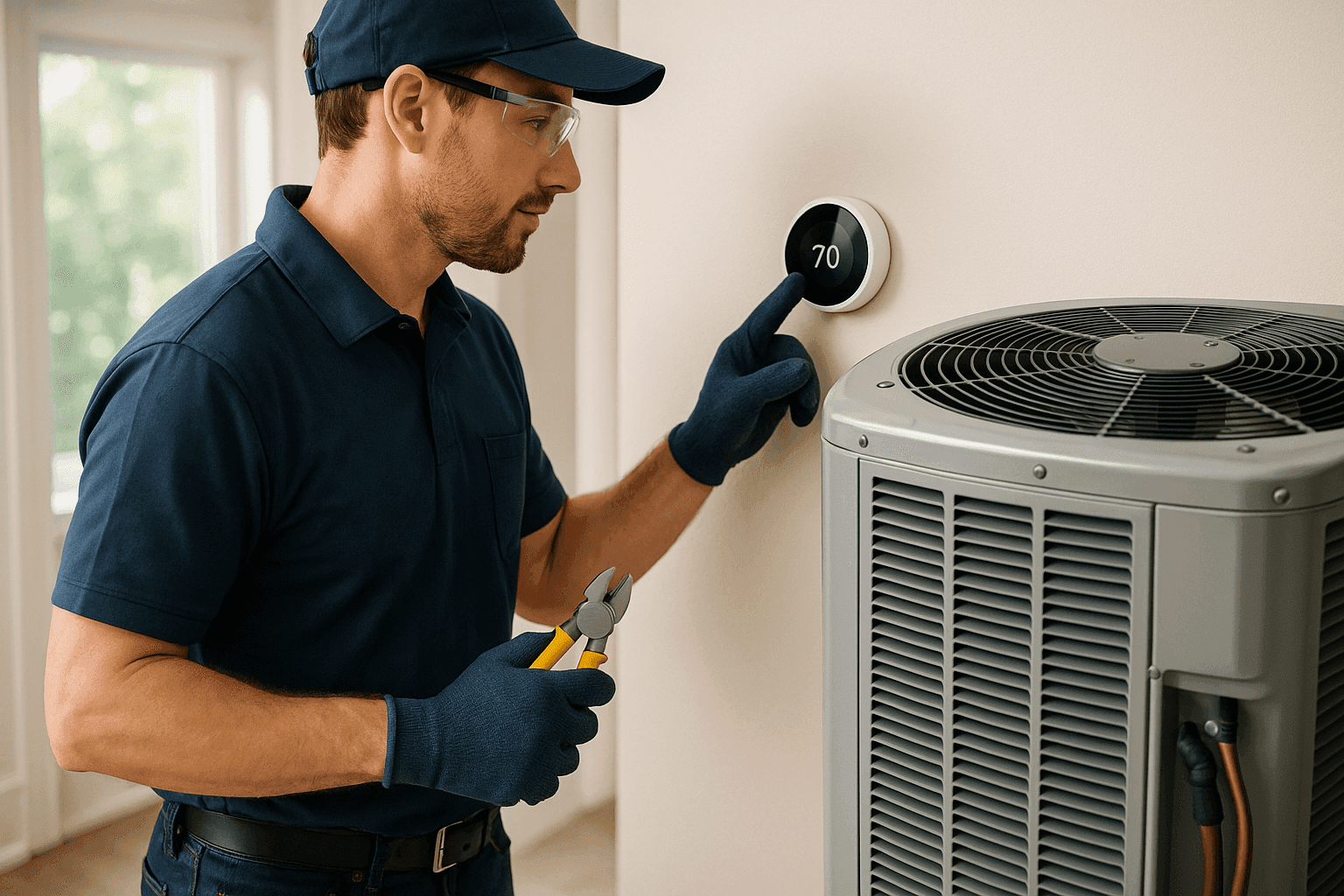
Keeping your home or business comfortable shouldn’t mean sky-high energy bills or surprise breakdowns. If your HVAC system is the heart of your comfort, energy waste is the slow leak that quietly drains your wallet.
At Coyote Heating, we’ve seen it all—dust-choked filters, thermostats stuck in the past, and ductwork leaking like a garden hose with holes. The good news? A few smart steps can help you save money, boost comfort, and avoid emergency hvac calls.
Why HVAC Energy Optimization Matters
Think of your HVAC system as a marathon runner. It works best when it’s tuned, hydrated, and not weighed down by extra baggage. Energy waste isn’t always obvious. Sometimes it’s a clogged filter. Sometimes it’s a thermostat set to the wrong schedule. Over time, these small things add up—higher bills, more wear and tear, and a bigger carbon footprint.
According to the U.S. Department of Energy, heating and cooling account for nearly half of the average home’s energy use. That’s a big chunk of your budget. But with the right care, your system can run smarter, not harder.
Common Energy-Wasting Issues
- Dirty or clogged air filters
- Leaky ductwork
- Poor thermostat settings
- Outdated or malfunctioning equipment
- Lack of regular maintenance
- Blocked vents or registers
- Poor indoor air quality
Ignoring these problems is like driving with a flat tire. You might still move, but it’s rough, noisy, and expensive.
Seasonal HVAC Maintenance Tips 🛠️
Each season brings its own challenges. Spring pollen, summer heat, autumn leaves, winter chills. The best way to stay ahead? Regular, season-specific maintenance.
Spring & Summer
- Replace or clean filters every 1–3 months. Dirty filters make your system work harder (Energy Star).
- Clear debris from outdoor units. Grass clippings, leaves, and twigs can block airflow.
- Check refrigerant levels. Low refrigerant means poor cooling and higher bills.
- Clean evaporator and condenser coils. Dirty coils reduce efficiency.
- Test your thermostat. Make sure it responds and accurately reflects the temperature.
Fall & Winter
- Inspect and clean furnace burners. Soot buildup causes inefficient combustion.
- Check for carbon monoxide leaks. Safety first—install detectors and schedule annual inspections.
- Seal ducts and insulate pipes. Prevent heat loss and frozen pipes.
- Reverse ceiling fans. Set them to push warm air down.
- Schedule a professional tune-up. Catch small issues before they become emergencies.
Year-Round To-Do List
- Keep vents and registers unblocked. Furniture and drapes can restrict airflow.
- Monitor humidity levels. Too much or too little affects comfort and system performance.
- Listen for strange noises. Rattling, banging, or hissing means it’s time for a checkup.
Upgrading Thermostats and Controls
Thermostats are the brains of your HVAC system. If yours is stuck in the last decade, you’re missing out on easy energy savings.
Benefits of Modern Thermostats
- Programmable models let you set schedules that match your routine. No more cooling an empty house.
- Smart thermostats learn your habits, adjust automatically, and can be controlled from your phone.
- Zoning systems allow different areas to be set to different temperatures.
According to ENERGY STAR, a programmable thermostat can save about $180 a year in energy costs when used correctly.
Quick Tips
- Set your thermostat higher in summer and lower in winter when you’re away.
- Use the “auto” fan setting instead of “on” to reduce energy use.
- Don’t crank the temperature way up or down to heat or cool faster—it doesn’t work, and it wastes energy.
Improving Indoor Air Quality for Efficiency 🌬️
Clean air isn’t just good for your lungs—it’s good for your HVAC system too. Dust, pollen, and pet hair can clog filters and coat coils, making everything work harder.
How IAQ Affects Energy Use
- Dirty filters restrict airflow, forcing your system to run longer.
- Duct buildup reduces efficiency and can spread allergens.
- High humidity makes your AC work overtime; low humidity strains your furnace.
Action Steps
- Replace filters regularly. Mark your calendar or set a reminder.
- Schedule duct cleaning every 3–5 years (more often if you have pets or allergies).
- Consider air scrubbers or purifiers to capture microscopic particles.
- Test for indoor air quality. Professional IAQ testing can reveal hidden issues.
The American Society of Heating, Refrigerating and Air-Conditioning Engineers (ASHRAE) recommends maintaining good IAQ for both comfort and energy savings.
When to Consider HVAC System Upgrades
Sometimes, no amount of TLC can save an old, inefficient system. If your HVAC is the equivalent of a 20-year-old car with 250,000 miles, it may be time to upgrade.
Signs It’s Time
- Frequent breakdowns or emergency hvac calls
- Rising energy bills despite regular maintenance
- Uneven temperatures or poor airflow
- System is over 10–15 years old
- Uses outdated refrigerants (like R-22, now phased out)
Upgrade Options
- High-efficiency furnaces and air conditioners use less energy for the same comfort.
- Heat pumps provide heating and cooling in one package.
- Geothermal systems use the earth’s steady temperature for ultra-efficient comfort.
- Mini-splits are great for additions or spaces without ductwork.
A professional energy audit from Coyote Heating can pinpoint where your system is wasting energy and recommend the best upgrade path.
Quick Safety Checklist
Before you dive in, safety first. Here’s what to check:
- Turn off power to your HVAC unit before inspecting or cleaning.
- Use a sturdy ladder for high vents or filters.
- Wear gloves and a mask if dealing with dust or mold.
- Never try to fix electrical or gas issues yourself.
- Install carbon monoxide detectors near sleeping areas.
- Know where your main shutoff valves are located.
When in doubt, call a professional. Your safety is worth it.
DIY vs. Call a Pro
Some tasks are perfect for a Saturday afternoon. Others are best left to the pros.
DIY-Friendly Tasks
- Changing air filters
- Cleaning vents and registers
- Adjusting thermostat settings
- Clearing debris from around outdoor units
Call a Pro For
- Annual tune-ups and inspections
- Duct cleaning and air balancing
- Refrigerant checks and recharging
- Electrical or gas repairs
- Installing new equipment or controls
Trying to tackle complex repairs without training can lead to bigger problems—or even safety hazards.
What Pros Do On Arrival
When you call Coyote Heating for maintenance or emergency hvac service, here’s what to expect:
- Inspect and test system components (motors, belts, electrical connections)
- Clean coils, burners, and blower assemblies
- Check refrigerant levels and pressures
- Test safety controls and sensors
- Measure airflow and balance ducts
- Review thermostat operation and settings
- Provide a detailed report and recommendations
We use industry best practices and follow safety guidelines from organizations like the Air Conditioning Contractors of America (ACCA).
Prevention & Maintenance: The Secret to Fewer Emergencies 🔧
Think of HVAC maintenance like brushing your teeth. Skip it, and you’ll pay the price later. Regular checkups keep your system healthy, efficient, and less likely to break down when you need it most.
Maintenance Tips
- Schedule professional maintenance twice a year (spring and fall).
- Keep a maintenance log with dates and notes.
- Replace filters on schedule—don’t wait for them to look dirty.
- Watch for leaks, odd noises, or changes in performance.
- Keep outdoor units clear of plants and debris.
A well-maintained system can last years longer and cost less to run. Plus, you’re less likely to face an emergency hvac call in the middle of a heatwave or cold snap.
Costs & Time Factors
No one likes surprises when it comes to bills or downtime. Here’s what to expect:
- Filter changes: $10–$50 per filter, 5–10 minutes each time.
- Professional tune-up: Typically 1–2 hours, cost varies by system size and age.
- Duct cleaning: Can take several hours, depending on home or business size.
- Upgrades: Installation of new equipment may take a day or more.
Investing in maintenance is like putting money in a savings account. You avoid big repair bills and keep your energy costs down.
When It’s an Emergency
Sometimes, things go wrong at the worst possible time. If you notice any of these, call for emergency hvac help right away:
- No heating or cooling when you need it most
- Strange burning smells or smoke
- Water leaks near your furnace or AC
- Unusual noises (banging, screeching, grinding)
- Carbon monoxide detector goes off
Don’t wait—quick action can prevent more damage and keep your family or business safe.
FAQ
How often should I change my HVAC filters?
Most filters should be changed every 1–3 months. If you have pets, allergies, or high dust levels, check monthly.
Can a smart thermostat really save money?
Yes. Used correctly, programmable and smart thermostats can shave 10–20% off your heating and cooling bills, according to ENERGY STAR.
How do I know if my ducts are leaking?
Signs include uneven temperatures, higher energy bills, or visible dust around vents. A professional can test and seal ducts for you.
Is professional maintenance worth it?
Absolutely. Regular maintenance catches small problems early, keeps your system efficient, and helps avoid emergency hvac repairs.
Special Considerations for This Service
Every home and business is unique. If you have special equipment—like whole-house fans, humidifiers, dehumidifiers, or radiant heating—make sure they’re included in your maintenance plan. Energy audits can reveal hidden issues and show you where upgrades deliver the most bang for your buck.
If you’re running a business, consider setting up regular maintenance appointments after hours to avoid disruption. And always keep safety front and center—especially with gas, electrical, or generator systems.
Call Coyote Heating now — or reach us anytime at 1-888-688-6506 .