The Homeowner’s Guide to HVAC Filter Selection and Maintenance
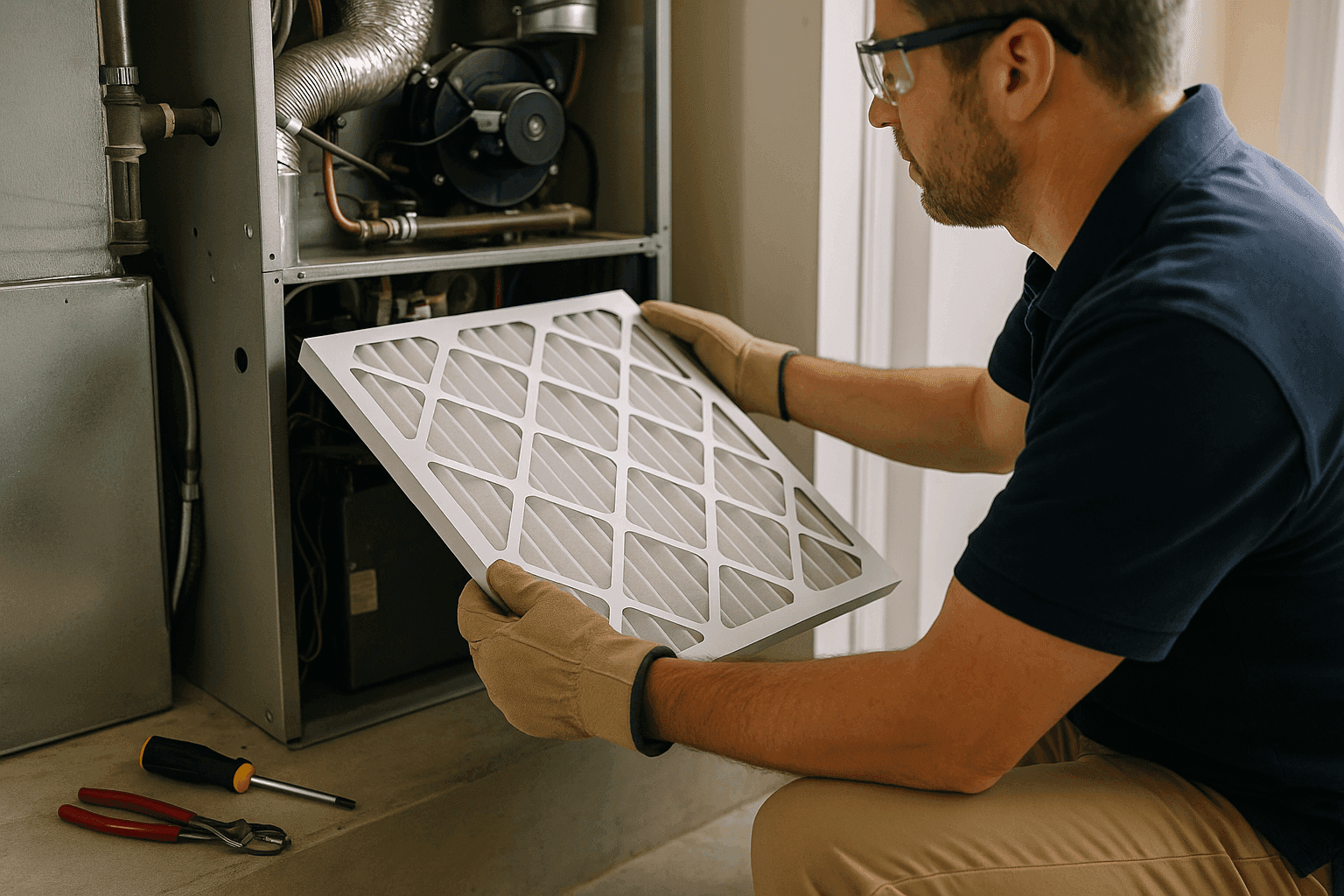
Breathing easy at home or work isn’t just a luxury—it’s a necessity. If your HVAC filter is clogged, dirty, or just plain wrong for your system, you’re not just risking comfort. You’re risking your health, your wallet, and the very heart of your heating and cooling.
At Coyote Heating, we know the frustration of unexpected breakdowns and stuffy rooms. That’s why our team is here, 24/7, to help you understand the simple power of a clean filter. Let’s dig into why that rectangle of mesh and fibers matters more than you think.
Why Your HVAC Filter Matters
Your HVAC filter is like the goalie of your home’s comfort system. It blocks dust, pollen, pet hair, and even tiny particles you can’t see. Without it, your system’s coils, fans, and ducts would get smothered in grime. That means higher bills, more repairs, and air that feels heavy and stale.
A good filter does two jobs:
- Protects your HVAC system’s sensitive parts from dust and debris
- Improves the air you breathe by trapping pollutants and allergens
Skip filter changes and you’re inviting trouble. Dirty filters choke airflow, forcing your system to work overtime. According to the U.S. Department of Energy, replacing a dirty filter can lower your air conditioner’s energy use by 5% to 15%. That’s real money back in your pocket.
Quick Safety Checklist 🛑
Before you touch your system, run through this short checklist:
- Turn off your HVAC system at the thermostat.
- Wait for the fan to stop spinning.
- Wear gloves if you have allergies or sensitive skin.
- Never force a filter into place—it should slide in easily.
- Check your owner’s manual for filter location and size.
If you’re ever unsure, don’t risk it. Call a pro.
Types of HVAC Filters: Pros and Cons
Choosing a filter isn’t one-size-fits-all. Here’s a rundown of the most common types, with real-world pros and cons:
Fiberglass Filters
- Pros: Cheap, easy to find, basic protection for your system.
- Cons: Trap only the biggest particles—less effective for allergies or fine dust.
Pleated Filters
- Pros: More surface area, better at catching dust, pollen, and dander. Affordable and widely available.
- Cons: Need changing more often in dusty homes. Slightly higher cost than fiberglass.
HEPA Filters
- Pros: Capture 99.97% of particles down to 0.3 microns—great for allergy sufferers and sensitive environments.
- Cons: Not all HVAC systems can handle them. Can restrict airflow if your system isn’t designed for high-efficiency filters.
Electrostatic Filters
- Pros: Use static electricity to attract particles. Some are washable and reusable.
- Cons: Effectiveness drops if not cleaned regularly. May cost more upfront.
Tip: Always check your system’s specs before upgrading to a higher-efficiency filter. Too much restriction can stress your fan motor.
How to Inspect, Remove, and Replace Your HVAC Filter
Changing your HVAC filter is easier than you might think. Here’s how:
- Locate the Filter: Most are behind a return air grille or inside the furnace/air handler.
- Turn Off the System: Safety first—always shut down power at the thermostat.
- Slide Out the Old Filter: Note the airflow direction arrow on the frame.
- Inspect the Filter: If it’s gray, fuzzy, or clogged, it’s time for a change.
- Insert the New Filter: Match the airflow arrow to your system. Never force it.
- Restart Your System: Turn power back on and listen for smooth operation.
Pro tip: Write the date on the edge of your new filter so you’ll know when it’s time for the next change.
How Often Should You Change Your HVAC Filter?
There’s no one answer—it depends on your home, your system, and your lifestyle. Here are some general guidelines:
- Every 1–3 months: Standard pleated filters in homes with average dust and no pets.
- Every month: Homes with pets, smokers, or allergy sufferers.
- Every 2–4 weeks: During heavy use (summer or winter) or in high-dust environments.
- Every 6–12 months: Some high-efficiency or specialty filters.
Seasonal tip: Check your filter at the start of every heating and cooling season.
Filter Maintenance for Allergy Sufferers
If you (or anyone in your home or business) deals with allergies, filter choice and schedule matter even more.
- Choose a pleated or HEPA filter if your system allows.
- Check filters more often during pollen season.
- Consider an air scrubber or whole-home air purifier for added protection.
Remember, even the best filter can’t help if it’s clogged or overdue for a change.
How Filter Maintenance Saves Money and Prevents Emergencies
A dirty filter is like running a marathon while breathing through a straw. Your HVAC system strains, using more electricity and wearing out faster. That means higher bills, more breakdowns, and a greater chance you’ll need emergency hvac help at the worst possible moment.
Regular filter changes:
- Lower your energy costs
- Extend your system’s lifespan
- Reduce the risk of surprise breakdowns
- Keep your indoor air fresh and healthy
DIY vs. Call a Pro
Most homeowners can handle basic filter changes. But if you’re unsure, have a hard-to-reach system, or notice anything odd (like a filter that’s damp, moldy, or torn), it’s smart to call in a professional.
A Coyote Heating technician can:
- Check for airflow issues
- Inspect for mold, dust buildup, or damage
- Recommend the right filter for your system and needs
What Pros Do On Arrival
When you call for a filter-related service, here’s what our technicians typically do:
- Inspect your filter and housing for fit, damage, or contamination
- Check airflow and pressure drop across the filter (using industry tools)
- Inspect ducts and blower for signs of dust or debris
- Advise on filter type and maintenance schedule
- Replace the filter safely and dispose of the old one according to EPA guidelines
We follow standards from organizations like ASHRAE and the EPA to ensure your system runs safely and efficiently.
Prevention & Maintenance
Don’t wait for problems to show up. Here’s how to stay ahead:
- Mark your calendar or set a phone reminder for filter checks
- Stock up on filters so you’re never caught off guard
- Schedule annual HVAC maintenance to catch hidden issues
- Keep the area around your furnace or air handler clean and clutter-free
Extra tip: If you’ve had recent renovations or lots of dust, check your filter sooner.
Costs & Time Factors
Changing a filter is one of the most affordable ways to protect your HVAC investment. Most filters cost between a few dollars and $30, depending on size and type. Specialty filters (like HEPA) may cost more.
- Time to change a filter: 5–15 minutes for most systems
- Professional inspection: Typically takes 30–60 minutes as part of routine maintenance
Neglecting filter maintenance can lead to much bigger expenses—like blower motor replacements or emergency hvac repairs.
When It’s an Emergency
If your system suddenly stops working, blows weak air, or you notice a burning smell, don’t wait. A clogged filter can cause overheating, frozen coils, or even system shutdowns.
Warning signs:
- No airflow or weak airflow
- Unusual noises or smells from vents
- System cycles on and off rapidly
- Sudden spike in energy bills
If you see these, turn off your system and call Coyote Heating for emergency hvac service. Fast action can prevent bigger damage.
FAQ: Common Filter Questions
How do I know what size filter I need?
Check your old filter’s frame for size markings, or look in your owner’s manual. Never guess—using the wrong size can let dust slip by.
Can I vacuum and reuse my filter?
Most disposable filters aren’t designed to be cleaned. Only washable electrostatic filters can be rinsed and reused. If in doubt, replace it.
What if my filter gets wet?
A wet filter can breed mold and bacteria. Replace it immediately and check for leaks or condensation issues.
Is a higher MERV rating always better?
Not always. Higher MERV filters trap more particles, but can restrict airflow if your system isn’t built for them. Check your system’s specs or ask a pro.
Special Considerations for This Service 🏡
- Pets: Pet hair and dander can clog filters fast—change more often.
- Renovations: Construction dust can overwhelm your filter. Check it weekly during and after projects.
- Allergies or Asthma: Upgrade to pleated or HEPA if possible, and stick to a strict schedule.
- Vacation Homes: Even if you’re not there, check and change filters before and after long absences.
A little attention to your HVAC filter goes a long way. You’ll breathe easier, save money, and avoid those stressful emergency hvac calls.
Call Coyote Heating now — or reach us anytime at 1-888-688-6506 .